
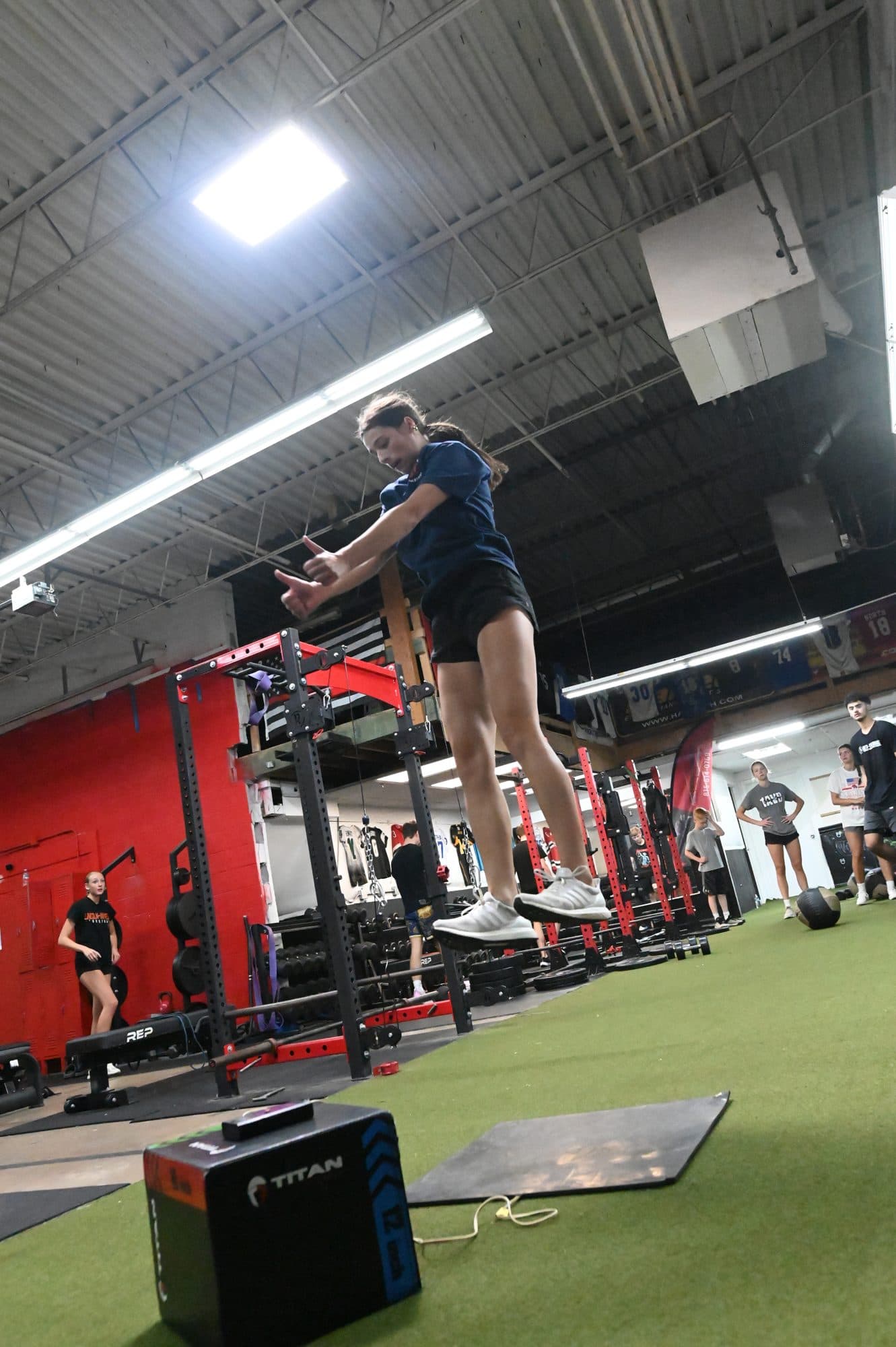
Basketball · Vertical, first step, change of direction
Basketball is vertical and lateral. We build the jump, the first step and the ability to stop and re-accelerate, with strength work that makes athletes springier instead of heavier.
What basketball athletes need
01
Vertical jump
Standing and running jump built from the feet and ankles up.
02
First step
Acceleration mechanics that create separation off the dribble.
03
Change of direction
Stiffness and strength to decelerate and explode the other way.
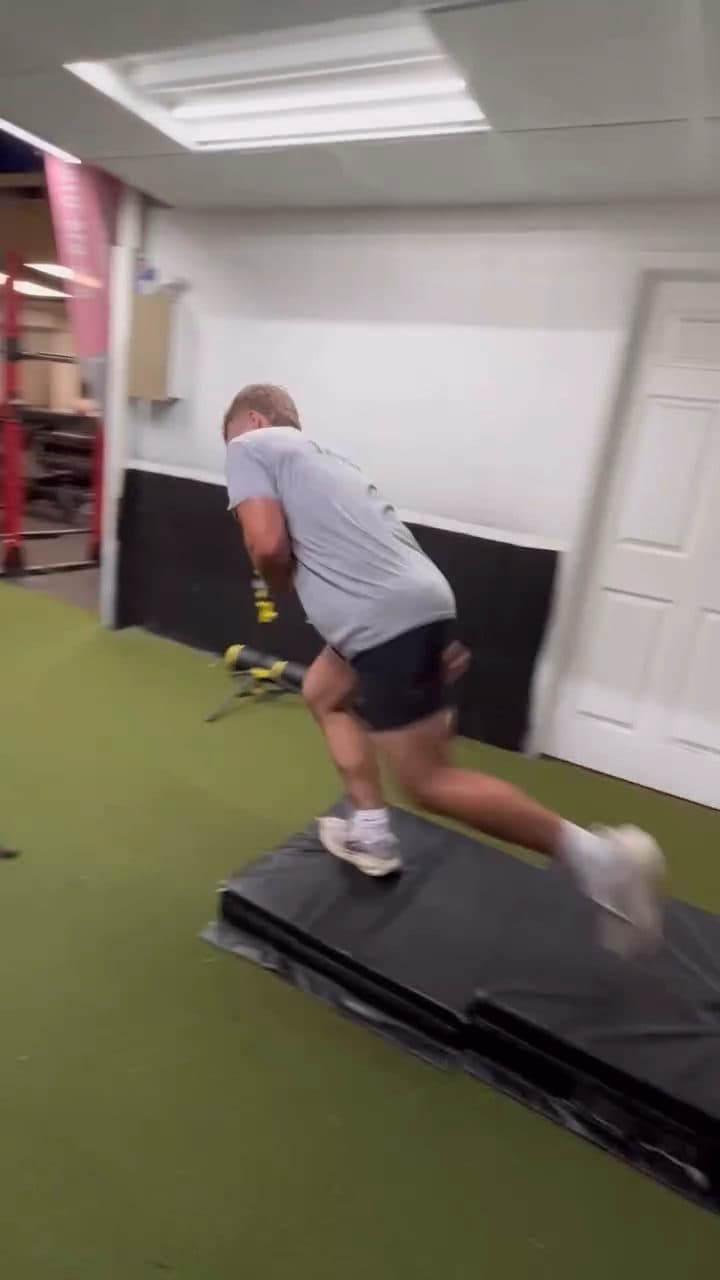
Training at Batti
Acceleration mechanics that create separation off the dribble.
The Batti method
You will always know where your athlete started, what the plan is, and whether it’s working.
- Step 01Assess
Free athletic assessment. We dive into the athlete's goals, then baseline speed, strength, power and acceleration. We review every number with you and lay out the path.
- Step 02Build
A plan built around the athlete's sport, position, goals and the gaps we found. Coached sessions, not workouts. Strength with transfer, speed with mechanics, jumps with intent.
- Step 03Retest
Every block ends on the timing gates and the jump mat. +1 mph to your speed and +4" to your vertical, or you train free until you get it.
Youth sports performance for every stage
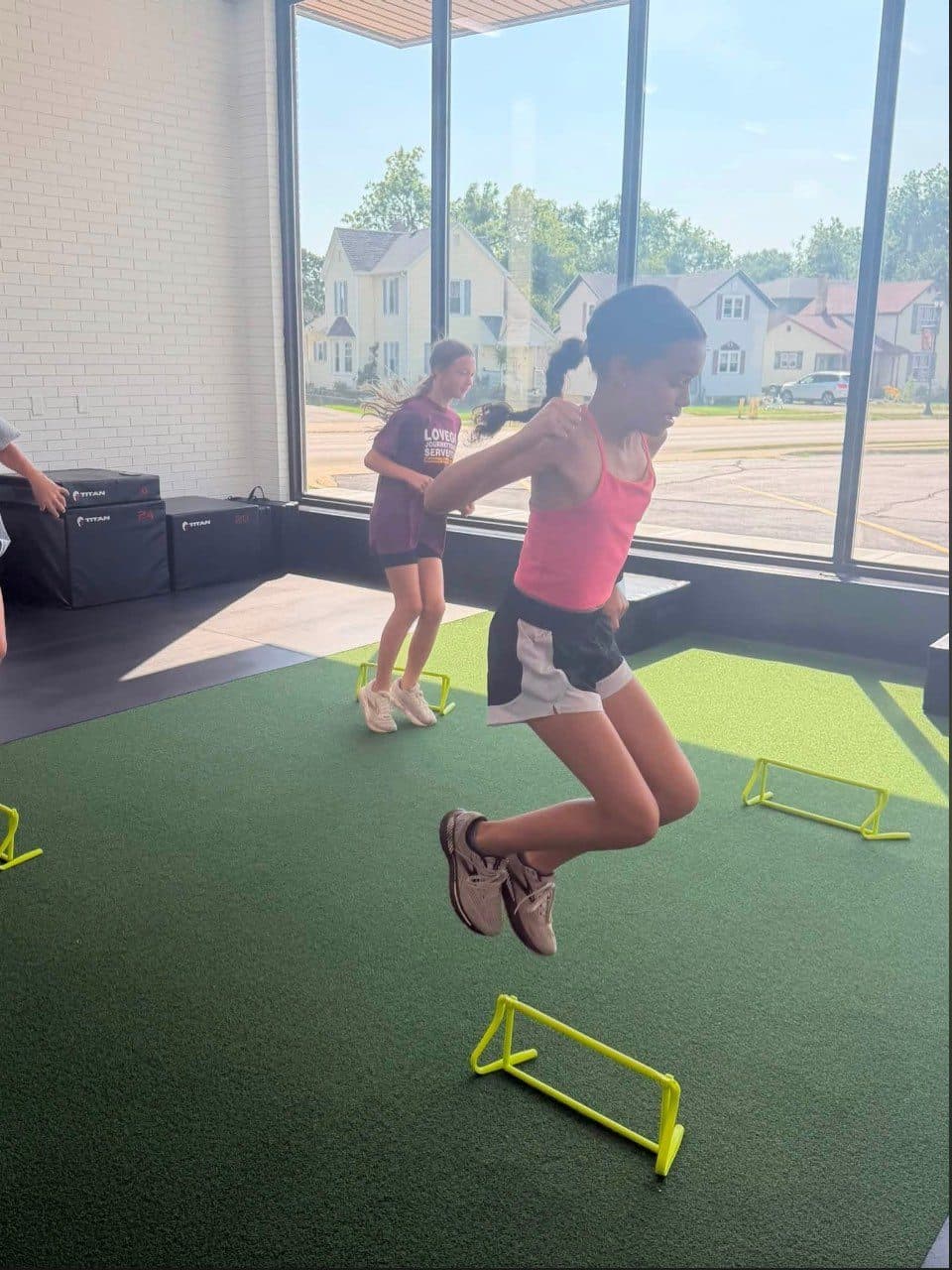 Ages 8–12
01
Foundation
Build the engine before the sport asks for it.
- Ground contacts
- Jumping & landing
- Running mechanics
- Coordination
 Ages 13–15
02
Accelerate
The years that decide who makes the team.
- Intro to strength training
- First-step quickness
- Vertical jump
- Acceleration
 Ages 16–18
03
College Prep
Numbers that get you recruited. Durability that keeps you on the field.
- Max strength & power
- Sport-specific speed
- In-season maintenance
- Recovery
Questions
- Will this actually transfer to basketball?
- Yes. Sports are speed and power dominant. Assuming the athlete understands the game and is proficient at their position, the faster, stronger, more powerful athlete wins. We test the numbers on day one and retest so you can see the transfer for yourself.
- Can my athlete train during the season?
- They should. In-season training is simple: keep what you earned. Shorter, lower-volume sessions with isometrics and explosive work keep speed and power from fading by week four while we manage fatigue and recovery.
- What happens at the assessment?
- We talk through the athlete's goals, then baseline speed, strength, power and acceleration. We review every number with you and lay out the training path. It's free, and there's no obligation to continue.